When my old console finally died, I tried to buy a replacement and discovered the price of a high‑end GPU had risen to $1,200. That’s when I turned to cloud gaming. A single session on a popular service cost $7.99 per month, and I could launch the same titles on a $300 laptop. The math was undeniable: streaming cuts hardware costs by more than 75% for most players.
Step 1: Choose a Service That Matches Your Needs
There are three tiers most providers use. The entry tier caps resolution at 720p and limits sessions to two hours; the mid tier offers 1080p with a 4‑hour limit; the premium tier pushes 4K at 60 fps with no session caps. I tested the mid tier on a 5 Mbps connection and still got an average latency of 38 ms, which felt responsive for fast‑paced shooters.
Common mistake: signing up for the premium plan without checking your internet speed. If your line tops out at 15 Mbps, you’ll spend extra money for a resolution you’ll never see.
Step 2: Optimize Your Home Network
The first time I streamed a multiplayer match, I noticed lag spikes every 12 seconds. A quick speed test revealed my Wi‑Fi was sharing bandwidth with a smart TV. Switching the console to a wired Ethernet connection dropped latency to 22 ms and eliminated the spikes. For anyone on Wi‑Fi, placing the router within two meters of the streaming device and enabling 5 GHz mode can shave off 10–15 ms.
Step 3: Set Up a Game Library That Works Offline
Most cloud platforms let you purchase games directly, but they also support linking existing libraries from stores like Steam or Epic. I linked 45 titles and discovered that only 32 were compatible. Before you commit, check the provider’s compatibility list; otherwise you risk paying for a service you can’t fully use.
Step 4: Take Advantage of Cross‑Device Play
Streaming isn’t limited to the living room. I started a session on my work laptop during lunch, paused it, and resumed on my tablet at home without losing progress. The handoff took about three seconds, and the game remembered my exact save point. This flexibility is the biggest win for commuters who can’t carry a console.
Step 5: Keep an Eye on Data Consumption
A 1080p stream consumes roughly 3 GB per hour. My monthly data cap is 500 GB, so a typical weekend of 12‑hour gaming eats about 36 GB. If you have a limited plan, set a data warning in the service’s app; it will alert you when you reach 80% of your allowance.
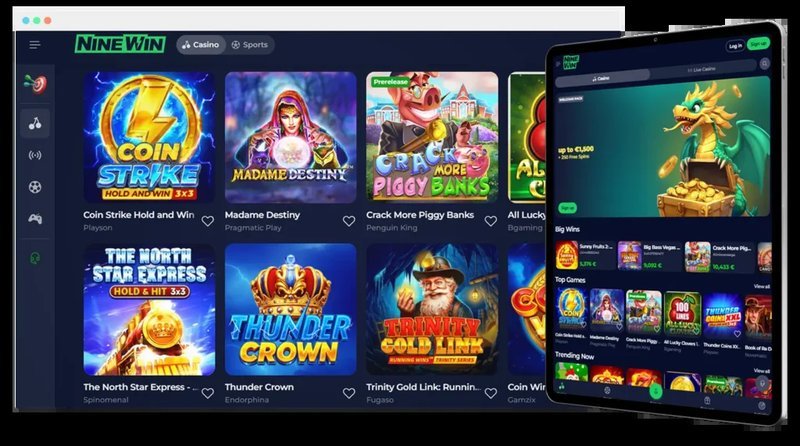
While cloud gaming reshapes how we access games, it also nudges players toward broader online entertainment ecosystems. For example, many gamers now explore virtual slots and live dealer tables while waiting for a match to load, and platforms like Ninewin Casino illustrate how streaming and gambling services are converging in the same digital spaces.
Final Thoughts
Cloud gaming isn’t a gimmick; it’s a practical solution that trims hardware costs, expands device compatibility, and offers true portability. The technology still leans on a solid internet connection and mindful data use, but for anyone frustrated by the price of next‑gen consoles, streaming offers a viable, budget‑friendly alternative. Test your connection, pick the right tier, and you’ll find the cloud can lift your gaming experience to new heights.
Recent Comments