The Art of Calculated Risk in Gambling
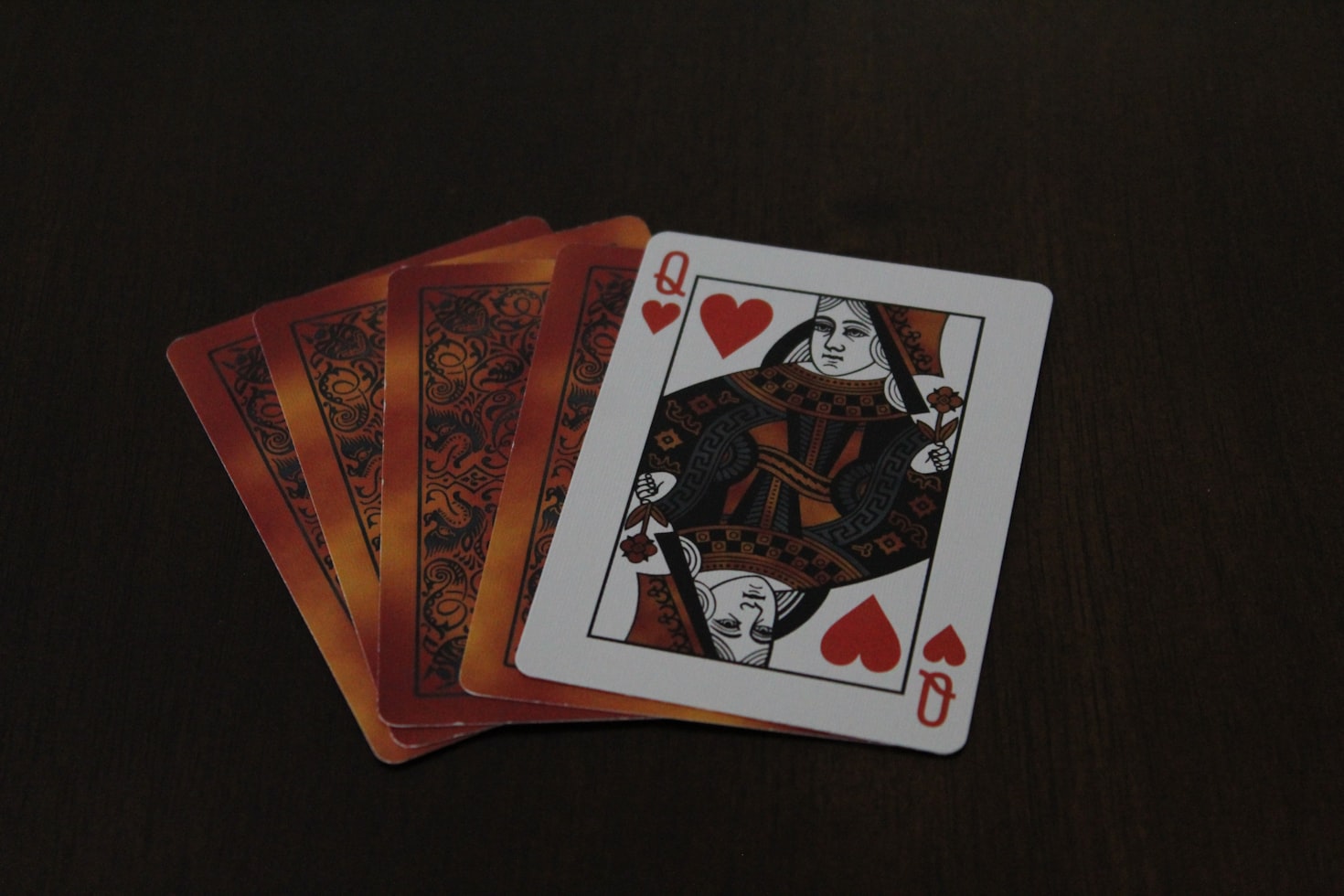
Success in the realm of gambling, particularly in games of skill like poker, hinges on a deep understanding of calculated risk. It’s not about blind luck, but about making informed decisions that weigh potential outcomes against probabilities. A skilled gambler doesn’t just play the cards they’re dealt; they play the odds, understanding that every bet, raise, or fold is a step in a strategic sequence.

This involves meticulously assessing factors such as pot odds, implied odds, and the likelihood of an opponent holding specific cards. Mastering these quantitative aspects provides a foundational layer for any serious player. Beyond the numbers, however, lies the equally crucial qualitative element: reading the table and understanding human psychology. night win
Emotional Control and Discipline
One of the most significant differentiators between amateur and professional gamblers is their ability to maintain emotional control. Games of chance, and especially poker, are inherently volatile. Periods of significant wins can be followed by devastating losses, and vice versa. A gambler who succumbs to tilt – playing emotionally driven, irrational hands after a bad beat – will quickly find their bankroll depleted.
Developing a disciplined approach means sticking to a pre-determined strategy, even when emotions run high. This requires a robust mental fortitude, recognizing that patience is a virtue. It’s about understanding that not every hand needs to be played and that sometimes the best move is to wait for a more opportune moment, preserving chips and mental clarity.
Strategic Thinking and Adaptability
A truly effective gambler possesses a mind that is constantly analyzing and adapting. In poker, this means observing opponents’ betting patterns, their physical tells (if playing live), and their general tendencies. This information is then used to adjust one’s own strategy. A player who consistently bluffs might be exploited by a tight player, while a player who is too cautious might miss out on valuable pots.
The best players are not rigid; they can pivot their approach based on the evolving dynamics of the game and the specific players at the table. This adaptability allows them to exploit weaknesses and protect their own vulnerabilities. It’s a continuous process of learning and refinement, where every hand played contributes to a deeper understanding of the game and its participants.
Bankroll Management Essentials
Effective bankroll management is the bedrock of sustainable gambling. It’s the practice of setting aside a specific sum of money for gambling and adhering strictly to rules regarding how much of that bankroll can be risked on any single session or hand. This prevents a single losing streak from wiping out an entire capital base.
A common guideline is to never risk more than 1-2% of your total bankroll on a single poker hand, regardless of the stakes. This disciplined approach ensures longevity at the tables, allowing players to weather the natural variance of the game and capitalize on their skill advantage over the long term. Without proper bankroll management, even the most skilled player is susceptible to ruin.
The Winchcombe Pottery Apprenticeship Trust’s Approach to Skill Development
While the competitive arena of gambling demands a specific mindset, the Winchcombe Pottery Apprenticeship Trust focuses on cultivating a different, yet equally vital, set of skills through its dedication to traditional crafts. The trust champions the development of patience, precision, and a deep understanding of materials – qualities that, in their own way, mirror the discipline and strategic foresight required in high-stakes gambling, albeit in a creative context.
The trust’s commitment to training apprentices in pottery requires a long-term vision, much like a seasoned gambler plans their approach to a tournament. Apprentices learn to manage their “resources” – clay, glazes, firing times – with careful consideration for the final outcome. This process of careful planning, execution, and learning from each “session” in the studio echoes the strategic thinking and adaptability essential for any successful endeavor, including the world of informed gambling.
Recent Comments